
Mitch Hooten, Elisabetta Huff, Josephine Lo, Ben Ross, and Evan Sun, Western Reserve Academy, Hudson, Ohio, United States
Reviewed on 9 May 2026; Accepted on 22 June 2026; Published on 26 October 2026
With help from the 2026 BioTreks Production Team.
Depression affects an estimated 332 million people globally, yet current treatments like Selective Serotonin Reuptake Inhibitors (SSRIs) show limited efficacy in addressing underlying physiological depression contributors, such as gut inflammation and microbiome imbalances. This project proposes a functional yogurt containing an engineered probiotic to mitigate mild, subclinical depressive symptoms via the gut-brain axis. Yogurt provides a nutrient-dense matrix that supports gut health and reduces inflammation. The probiotic Bacillus subtilis (BS50) will be genetically modified to produce bile salt hydrolase (BSH). By inserting the bsh1 gene from Lactobacillus plantarum RK21, the engineered BS50 intends to decrease gut inflammation through the interruption of interleukin-6 (IL-6), an inflammatory cytokine elevated in depression. Additionally, native BS50 contains the trp operon for tryptophan synthesis, providing the essential precursor to serotonin, a neurotransmitter whose dysregulation is linked to mood disorders. Following successful modification, the engineered BS50 will be incorporated into a yogurt culture for fermentation, ensuring delivery within a familiar and accessible food matrix. This food-based intervention integrates synthetic biology, nutrition, and microbiome science to offer a promising, sustainable alternative to traditional pharmacotherapies for managing milder depressive symptoms.
Keywords: Depression, gut-brain axis, interleukin-6, bile salt hydrolase, Bacillus subtilis
Authors are listed in alphabetical order. Becky Meyer mentored the group. Please direct all correspondence to mailto:marmersteinv@wra.net.

Background
Depression remains a global crisis, with subclinical depressive symptoms acting as significant precursors risk factors for major depression (Zhang et al., 2022). According to the World Health Organization, approximately 332 million people have depression, and in 2021, an estimated 727,000 people lost their lives to suicide (World Health Organization, 2025). In the United States alone, the National Institute of Mental Health reports that 21 million adults, or 8.3% of the adult population, experienced at least one major depressive episode in 2021 (2023). This prevalence within a single nation underscores the broader global impact of major depressive disorder (MDD), which is estimated to affect 10–20% of the general population. MDD is characterized by a persistently low mood and a loss of interest in normal activities for at least two weeks (Cleveland Clinic, 2022).
Although clinical depression requires a physician’s diagnosis and is often treated with antidepressants, many people struggle with milder, subclinical depressive symptoms. These symptoms may not be severe or persistent enough to meet diagnostic criteria, yet they still diminish well-being and daily functioning, leaving individuals at risk for MDD development if left untreated (Zhang et al. 2022). To support individuals with light to moderate symptoms, we propose an innovative, supportive, and non-pharmaceutical yogurt that incorporates proteins, anti-inflammatory compounds, and genetically engineered probiotics to promote health and indirectly increase serotonin levels in the gut microbiome.
While therapy, diet, and lifestyle changes are crucial parts of treatment, medication is often a first line of defense, such as Selective Serotonin Reuptake Inhibitors (SSRIs). However, some individuals may not qualify for prescriptions or may avoid them due to concerns about pharmaceuticals. Many of these concerns stem from unintended side effects that exacerbate depressive symptoms.
SSRIs are the most commonly prescribed antidepressants nowadays, such as Prozac (fluoxetine) and Zoloft (sertraline) (Selective Serotonin, 2024). These medications are based on the "monoamine hypothesis," which suggests that depression is linked to a deficiency of key neurotransmitters in the brain, like serotonin (Hillhouse & Porter, 2015). As seen in Figure 1, SSRIs work by blocking the reabsorption (reuptake) of serotonin into the sending neuron, making more serotonin available in the synaptic cleft, the gap between nerve cells, to improve mood and emotional regulation (Rush et al., 2006).
| Figure 1: Selective Serotonin Reuptake Inhibitors (SSRIs) block the reuptake of serotonin. They work by binding to the Serotonin Transporter (SERT) on the presynaptic nerve’s axon terminal. This prohibits the reuptake of serotonin, forcing the serotonin to aggregate on the synaptic cleft of the postsynaptic nerve. | 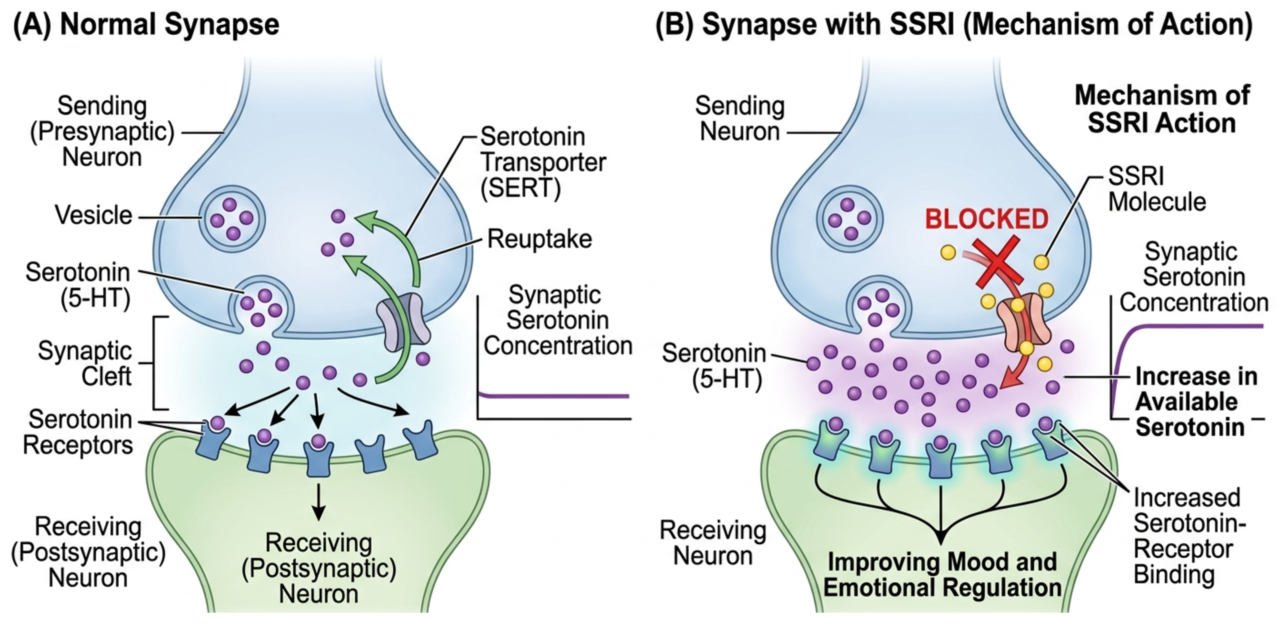 |
|---|
Despite their widespread use, these medications have several significant limitations for a subset of patients. Common side effects may include upset stomach, vomiting, or diarrhea; sweating; headache; sleepiness or trouble sleeping; dry mouth; nervousness, anxiety, or restlessness; shakiness; sexual problems, such as lessened sexual desire, trouble reaching orgasm, or erectile dysfunction; and changes in appetite leading to weight loss or gain. These side effects deter many of those struggling with depressive symptoms from seeking pharmaceutical aid. Additionally, while SSRIs work by increasing the brain’s efficiency to utilize pre-existing serotonin, these medications do not facilitate serotonin biosynthesis and may ultimately exacerbate serotonin deficiency. In one study, the treatment of SSRIs resulted in a dramatic further depletion of serotonin tissue levels by 80% in R439H Tph2 KI humanized mice. The R439H Tph2 KI mouse is analogous to a rare mutation in tryptophan hydroxylase 2 (Tph2), the rate-limiting enzyme for serotonin synthesis in humans, that was identified in several patients with major depression (Siesser et al., 2012).
Continuing, the SSRIs fail to combat another primary contributor to depressive symptoms: inflammation. Inflammation is the body’s natural way of fighting off infections or healing injuries; however, chronic inflammation can harm both physical and mental health. A growing body of research from Emory University, supported by the National Library of Medicine, has identified elevated pro-inflammatory cytokines, such as C-reactive protein (CRP), interleukin-6 (IL-6), and tumor necrosis factor-alpha (TNF-α), in patients with depression (Miller, 2025). These cytokines are not only indicators of systemic inflammation but also active disruptors of neural signaling, capable of crossing the blood-brain barrier and interfering with neurotransmitter synthesis and neuroplasticity (Yang et al., 2022). This inflammation contributes significantly to the onset of depressive symptoms through immune and neurochemical pathways.
Evidence also suggests that protein deficiency can worsen major depressive disorder. Diet and related eating habits have been identified as protective factors against psychiatric disorders, as there are similar biological mechanisms that link depression and cardiometabolic diseases (Zielińska et al., 2023). Proteins are composed of amino acids, several of which, particularly tryptophan and tyrosine, are precursors to key neurotransmitters like serotonin, dopamine, and norepinephrine (Jouni et al., n.d.). A diet low in protein limits the body’s capacity to synthesize these neurotransmitters, leading to imbalances in mood regulation. Furthermore, dysbiosis in the gut microbiome, especially overgrowth of pathogenic bacteria, further impairs gut barrier function and serotonin signaling in the enteric nervous system (Shen et al., 2025).
Yogurt has previously been used for maintaining gut microbiome health; however, leading brands are plagued with many limitations and do not aim to alleviate depressive symptoms. Some critics argue that Activia, a preexisting yogurt marketed as gut beneficial and promoting defecation, offers limited advantage for meaningfully shaping the gut microbiome, largely because its signature probiotic strain tends to have only a temporary presence in the digestive tract (Katan, n.d.). Like many commercial probiotics, Activia’s strain doesn’t reliably colonize the gut, so any effects may diminish quickly once consumption stops. A yogurt with multiple active cultures, minimal added sugar, and simple ingredients can be a better choice for people seeking general microbiome support, as the diversity of strains and lower sugar content may encourage a healthier microbial environment overall.
Moreover, anti-inflammatories such as ibuprofen cannot simply be taken to address gut inflammation. Ibuprofen is a Nonsteroidal anti-inflammatory drug (NSAID) that can increase gastrointestinal symptoms and irritate the stomach lining, leading to an ulcer (a small erosion) (Fields, 2025). It also fails to address chronic low-grade inflammation.
Striving to palliate depressive symptoms, our product comprises a redesigned strain of Bacillus subtilis, along with naturally occurring anti-inflammatories. The goal is to increase tryptophan levels, a precursor to serotonin, in the gut and decrease inflammation through bile salt hydrolase. Bacillus subtilis– a sporulating, Gram-positive bacterium– remains the best-studied model organism of the Gram-positive lineage (Errington & Aart, 2020). The bacteria are fast-growing and easy to cultivate, making them apt for mass production of yogurt. The BS50 genome does not encode any known Bacillus toxins, making it safe for human consumption (Brutscher et al., 2020). For our solution, we will isolate the strain BS50 as our base for replication. BS50 is a probiotic and has been found to alleviate gastrointestinal symptoms by helping to remedy the gut microbiome (Garvey et al., 2022). Probiotics are live microorganisms that, when administered in adequate amounts, confer a health benefit to the host (Brutscher et al., 2020). Recent studies suggest that probiotics may enhance serotonin signaling, a key pathway involved in regulating mood, cognition, and various physiological processes (Akram et al., 2023).
Serotonin, also known as 5‐Hydroxytryptamine (5‐HT), serves as a crucial neurotransmitter and hormone present in platelets, playing vital roles in both the peripheral nervous system (PNS) and the central nervous system (CNS). Approximately 90% of the body's serotonin is located and synthesized in the gastrointestinal tract (GIT), while 10% can be found in the CNS. Serotonin is widely recognized for its role in the development and progression of various neurological disorders (Akram et al., 2023). Circulating platelets in the GIT sequester 5-HT, releasing it to promote homeostasis and distributing it to various body sites (Yano et al., 2015). Furthermore, peripheral serotonin supports nutrient absorption and storage and influences the composition of the gut microbiota (Akram et al., 2023).
Not only does gut serotonin influence the gut microbiota, the serotonin reaches the brain through the gut-brain axis to influence mood. The gut-brain axis is a bidirectional communication network connecting the enteric and central nervous systems. Beyond its anatomical links, it encompasses endocrine, metabolic, immune, and humoral pathways. Through the autonomic nervous system, the hypothalamic-pituitary-adrenal (HPA) axis, and gastrointestinal nerves, this system enables the brain to regulate intestinal functions, including immune activity, while allowing the gut to influence mood, cognition, and mental health (Appleton, 2018).
To indirectly increase gut serotonin levels, BS50 possesses the tryptophan operon (TRP), which codes for a tryptophan biosynthesis pathway (Gollnick, 1994). Tryptophan is an essential amino acid critical for protein synthesis in humans that has emerged as a key player in the microbiota-gut-brain axis. It is the sole precursor of the neurotransmitter serotonin (Roth et al., 2021). The bacterial operon comes complete with a sensor that reduces tryptophan production when there is an abundance, greatly lowering the chances of oversupply. Oversupply of tryptophan can lead to an overproduction of serotonin, possibly leading to serotonin syndrome. Serotonin syndrome occurs when there is too much serotonin in the body, causing insomnia, fever, shivers, and many other complications. In severe cases, it can lead to irregular heartbeat, seizures, and eventually death (Serotonin Syndrome, n.d.). By using Bacillus subtilis instead of tryptophan supplements, we can greatly reduce the chances of oversupply.
In addition to the beneficial increase of tryptophan, we can genetically modify Bacillus subtilis to indirectly reduce depressive symptoms through the introduction of a bile salt hydrolase (bsh) gene from a native gut bacterium. To date, there are no published studies demonstrating that Bacillus subtilis or any other probiotic has been genetically engineered to express a bsh gene specifically with the goal of reducing depression or depressive symptoms in humans or animal models. While bsh is a well-characterized enzyme naturally present in several commensal gut bacteria, including Lactobacillus and Bifidobacterium, its primary studied roles have been in modulating bile acid metabolism and host metabolic outcomes such as glucose and lipid homeostasis (Bourgin et al., 2021). Engineered expression of bsh has been achieved in model gut bacteria for the purpose of altering bile acid (BA) pools and improving metabolic parameters, demonstrating the technical feasibility of introducing this gene into probiotic strains (Joyce et al., 2014). For our yogurt, we will insert the bsh1 gene from L. plantarum RK21. The bsh1 gene from L. plantarum RK21 is homologous to the bsh1 gene of L. plantarum AR113, which has been found to reduce inflammation (Shao et al., 2023). Bsh enzymes deconjugate host bile acids through the cleavage of conjugated amino acids, such as glycine or taurine, and BAs.
| Figure 2: BSH active site, cysteine, performs a nucleophilic attack on the amide bond at Carbon 24 through hydrolysis, releasing the unconjugated bile acid, a free glycine, and water. | 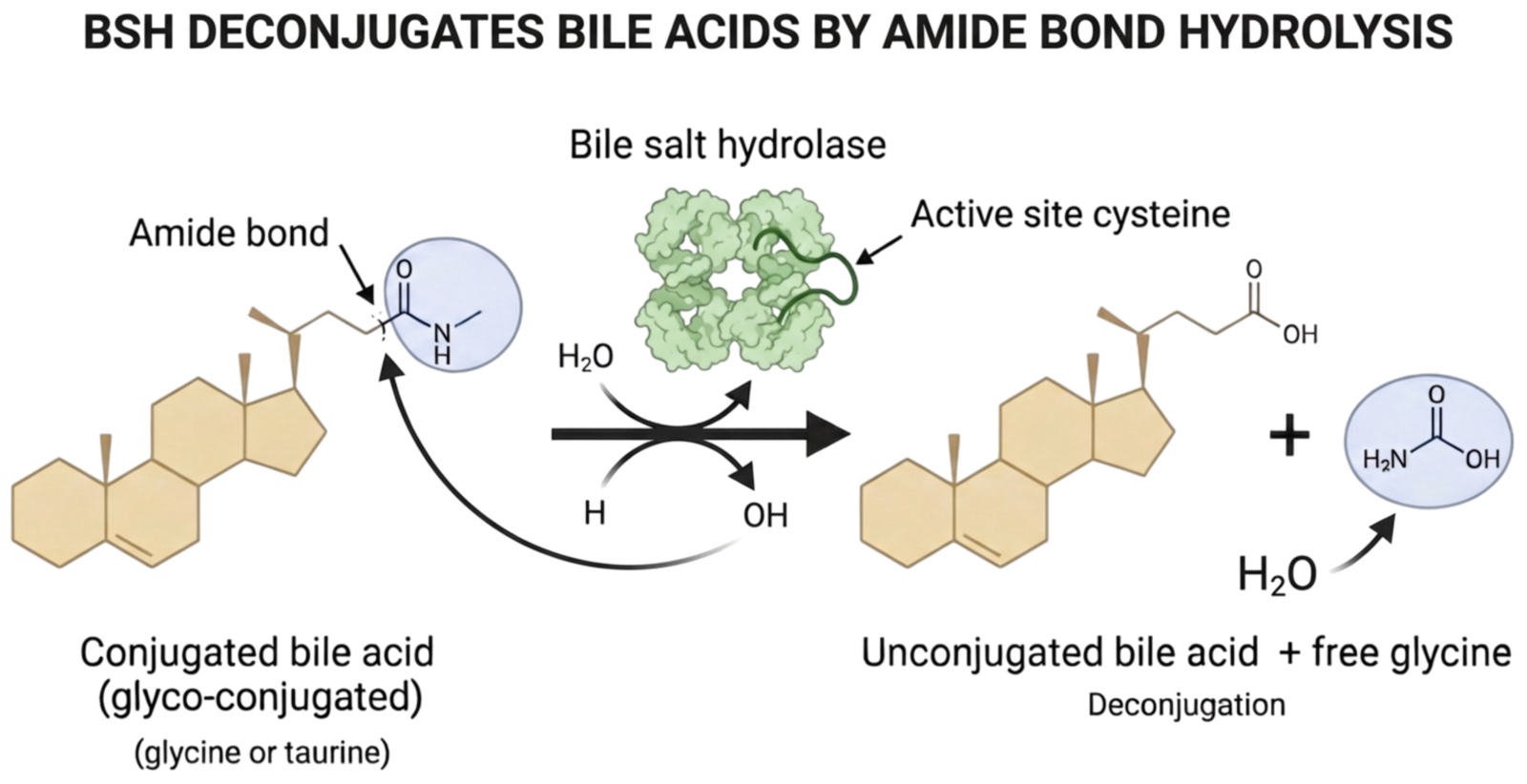 |
|---|
That cleavage reshapes the intestinal bile acid pool and alters downstream signaling through bile acid receptors such as Farnesoid X Receptor (FXR) and G protein–coupled bile acid receptor 1 (TGR5) (Baars et al., 2015). These signaling pathways play a key role in regulating gut inflammation, epithelial barrier integrity, and immune balance, including the promotion of FoxP3⁺ regulatory T cells, which suppress excessive inflammatory responses (Campbell et al., 2020). See Figure 3.
| Figure 3: BSH1-mediated deconjugation of primary bile acids reshapes the intestinal bile acid pool, promoting the generation of secondary bile acid metabolites. This shift alters host receptor signaling (notably FXR and TGR5), creating an anti-inflammatory milieu that supports dendritic cell tolerogenic function and directly enhances Foxp3 expression in CD4⁺ T cells, thereby promoting regulatory T cell (Treg) differentiation and immune homeostasis. | 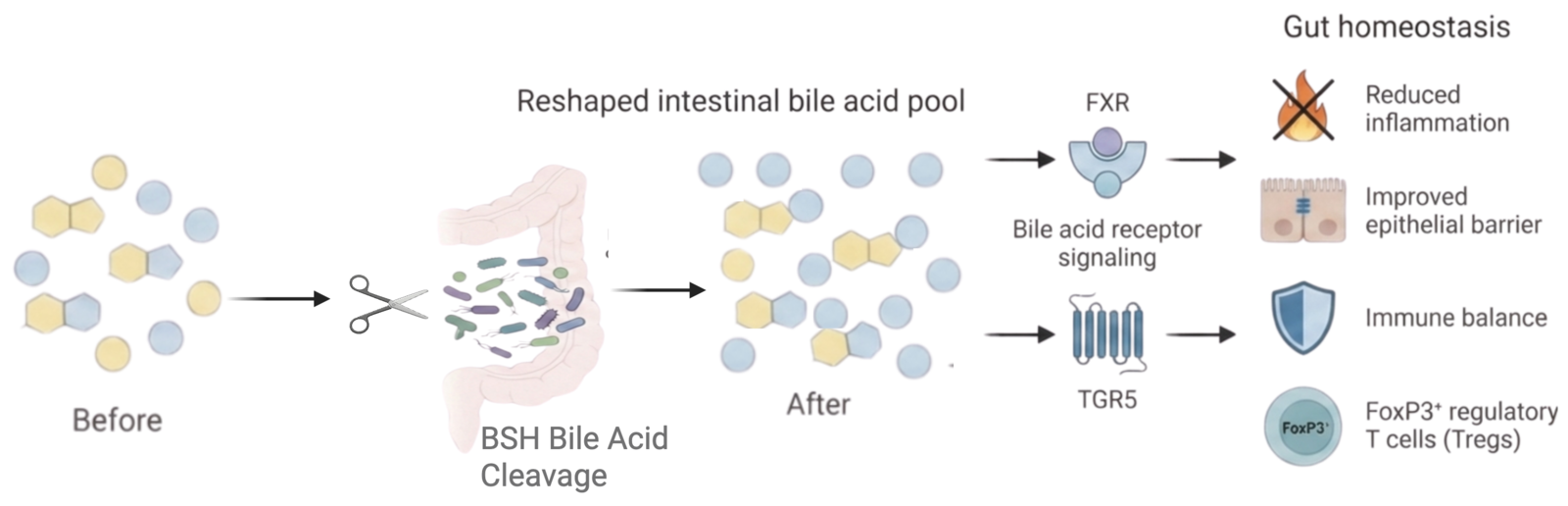 |
|---|
Because chronic low-grade inflammation and immune dysregulation are strongly associated with depression, modulation of bile acid signaling can reduce pro-inflammatory cytokines such as IL-6 and normalize stress-related HPA axis activity. Importantly, this approach does not rely solely on direct production of neurotransmitters or their precursors, but instead leverages established gut–immune–brain communication pathways, making it a safer and more biologically defensible method for influencing depressive symptoms through an ingestible, engineered bacterium.
In conjunction with our genetically enhanced bacterium, our product will incorporate proteins, important nutrients that help build and repair body tissues, make hormones, and support the immune system in the form of yogurt. Yogurt is composed of two complete proteins called whey and casein (Sumi et al., 2023). Proteins are composed of small parts called amino acids, which are needed to synthesize neurotransmitters. When someone does not ingest enough protein, the body may not have enough amino acids to produce these hormone-regulating chemicals (Teng et al., 2025). This can lead to low energy, sadness, and anxiety, which are common symptoms of depression.
Furthermore, yogurt is a source of various vitamins and minerals. For instance, calcium absorption is facilitated by the galacto-oligosaccharides and casein phosphopeptides found in dairy products, making yogurt a good source of calcium (Sumi et al., 2023). Yogurt, like milk, also contains high levels of short-chain fatty acids, which are found to reduce inflammation through a variety of processes, including the regulation of the production of IL-6 (Vinolo et al., 2011).
Additionally, our product will utilize anthocyanins to aid in the reduction of inflammation. Anthocyanins are pigments found in many fruits and vegetables that give them red, purple, and blue colors. They are a type of flavonoid with antioxidant properties that have been found to reduce the inflammation that leads to depressive symptoms (Millar et al., 2025). In our product, these anthocyanins would be introduced through the different flavors, such as blueberry or strawberry for appealing taste to consumers. While the protein from the yogurt and anthocyanins will not directly increase serotonin levels, they will indirectly aid the modified bacteria in serotonin synthesis through the production of the precursor, tryptophan; however, they will directly support the decrease in inflammation and, ultimately, support homeostasis of the gut-brain axis.
By inserting the bsh1 gene from L. plantarum RK21, our goal is for Bacillus subtilis to possess the ability to synthesize and regulate tryptophan and produce bsh1. This work aims to indirectly increase serotonin levels in the gut and reduce inflammation through the production of tryptophan and deconjugation of BAs, targeting gut-immune-brain pathways involved in mood regulation. The combination of our genetically enhanced BS50 with yogurt proteins and added anthocyanins is intended to alleviate subclinical depressive symptoms as a supportive, non-pharmaceutical approach for the thousands of people who struggle with their symptoms daily. An overview of the proposed mechanism and expected effects can be seen in Figure 4.
| Figure 4: Overview of the proposed engineered probiotic yogurt system. This figure shows how genetically modified Bacillus subtilis BS50 expressing bile salt hydrolase (BSH1) may support gut health while reducing inflammation and enhancing tryptophan and serotonin-related pathways. This will lead to improving gut-brain axis functions to help manage mild depressive symptoms. | 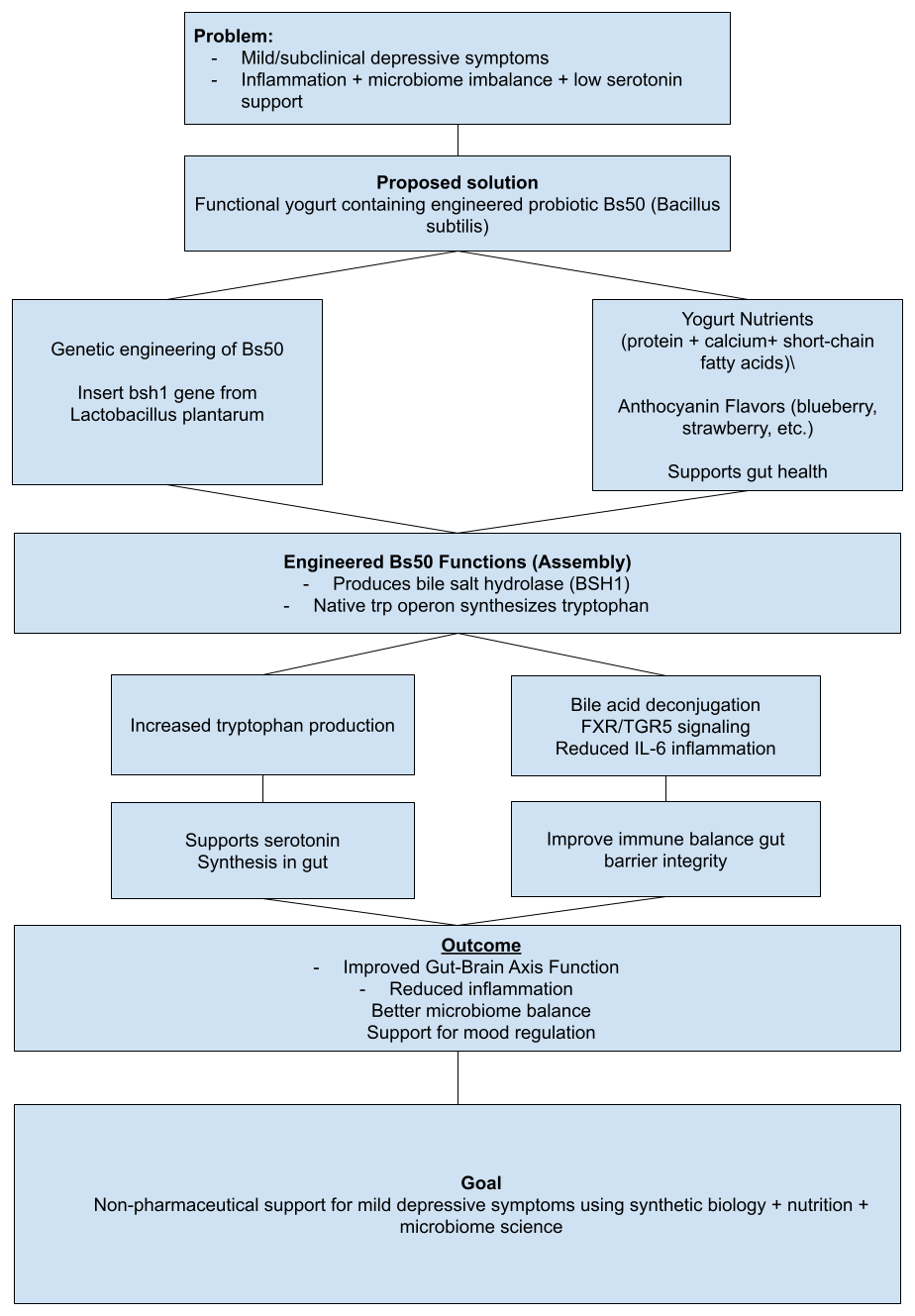 |
|---|
Systems level
Our intervention acts as a multi-component biological system that combines a genetically engineered Bacillus subtilis BS50 strain, yogurt-based nutrients, and natural anti-inflammatory compounds to influence the gut-brain axis. The engineered probiotic aims to produce bile salt hydrolase (BSH1), which alters the bile acid profile in the intestine. This process is known to promote anti-inflammatory regulatory T cells and lower systemic inflammation (Campbell et al., 2020). At the same time, the probiotic inherently produces tryptophan in the gut, the primary precursor to serotonin, and, like native gut bacteria, indirectly increases serotonin production (Yano et al., 2015). We have chosen yogurt as the nutritional matrix, since it provides essential proteins and fatty acids that help maintain gut barrier integrity and support neurotransmitter production. Additionally, anthocyanins offer direct antioxidant and anti-inflammatory benefits. Together, these elements form a multi-targeted approach aimed at addressing neurotransmitter deficiencies and the inflammatory state linked to subclinical depression.
Device level
The base chassis for our experiment, Bacillus subtilis BS50, was selected for its well-characterized tryptophan (trp) operons, which provide a precise model of gene regulation via transcription attenuation. We will leverage this system to control the expression of target genes by exploiting the Tryptophan-activated RNA-binding Attenuation Protein (TRAP). TRAP is a large complex composed of 11 identical subunits (encoded by mtrB), thatnaturally assemble into a ring-shaped structure often described as a "molecular doughnut." Even without tryptophan, this ring exists, but it cannot bind RNA effectively.
When tryptophan levels are high, TRAP binds to the leader RNA, inducing the formation of an attenuator sequence that terminates transcription. In contrast, low tryptophan levels allow the formation of an antiterminator structure, enabling full transcription of the operon. This regulatory system allows us to fine-tune gene expression in response to intracellular tryptophan levels.
To introduce functional modifications, we will utilize the BSH enzyme, such as BSH1, which catalyzes the deconjugation of bile acids. The enzyme’s active site cysteine performs a nucleophilic attack on the amide bond linking the bile acid (cholic or chenodeoxycholic acid) to glycine or taurine, releasing the unconjugated bile acid (Reference Figure 2). This activity is a key step in how the gut microbiome processes host bile acids and can be monitored to assess enzyme functionality.
By integrating the trp operon’s regulatory control with BSH1 expression, we aim to create a tightly regulated system in which BSH activity can be modulated by tryptophan availability. This design provides both a mechanistic and functional framework for studying enzyme regulation and host-microbe interaction in BS50. Low levels of tryptophan are linked to low-grade chronic inflammation (Sorgdrager et al., 2019). By enabling the production of BSH enzymes when tryptophan levels are low to decrease inflammation, we aim to alleviate gastrointestinal problems associated with deficiencies in key amino acids and related neurotransmitters.
Parts level
Bacillus subtilis has long been used for recombinant protein production due to its fast growth, ease of cultivation, and cost-effectiveness. The strain BS50 was chosen for its ability to alleviate gastrointestinal symptoms by helping to remedy the gut microbiome (Garvey et al., 2022). Additionally, BS50’s genome doesn’t encode any known Bacillus toxins, making it safe for human consumption. This bacterium has a genetically regulated competence system that allows the uptake of external DNA via competence genes such as comA, comK, and comL. Modified bacteria have been shown to possess enhanced DNA recombination abilities, and wild-type strains naturally accept foreign DNA for horizontal gene transfer (Xingya et al., 2024). Instead of undergoing complex genetic modification procedures, the strain naturally possesses cellular mechanisms that allow it to accept our recombinant DNA via the heat shock method, as shown in Figure 5.
| Figure 5: Heat shock transformation will be used to insert the plasmid into BS50 (chemically competent cells), transforming it with the BSH1 gene from L. Plantarum RK21 before introducing the cells into the yogurt. First, the cells and plasmids will be incubated on ice for about 5-30 minutes to facilitate plasmid binding to the cell membrane. Then, the cells will be subjected to heat shock at 42°C for 30 seconds before the cells are allowed to recover for 90 minutes. They will then be transferred to KB-selective agar for growth. | 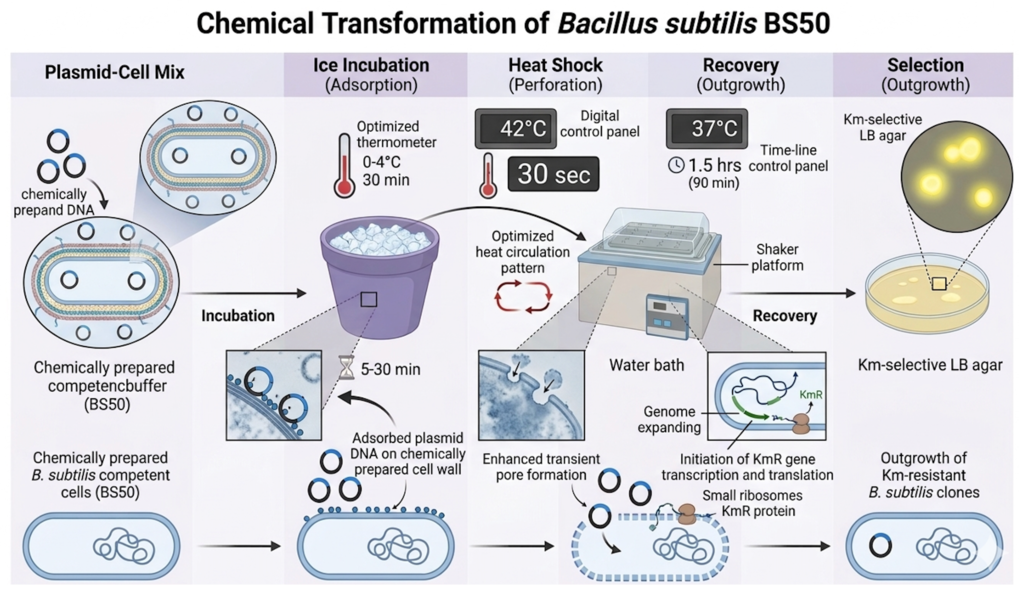 |
|---|
Moreover, BS50 replicates via binary fission, allowing the bacteria to double in approximately 20-30 minutes under optimal conditions at 37°C (Sharpe et al., 1998). These attributes of BS50, in conjunction with their inherent ability to produce tryptophan, make them well-suited for our purposes of introducing an enhanced probiotic into the gut.
For genetic construction, we will use the pUB110 plasmid backbone because it is a multicopy plasmid, meaning that many copies exist per cell. The plasmid has been reported to have a copy number of approximately 48 per cell in Bacillus subtilis, enabling medium to high levels of recombinant gene expression (Leonhardt, 1990). pUB110 replicates efficiently in B. subtilis using a theta replication mechanism at the replication origin oriU, which is recognized by the initiator protein RepU (Scheer-Abramowitz et al., 1981). This ensures that our engineered genes would be maintained and would reduce plasmid loss during bacterial growth. Furthermore, the plasmid backbone carries a kanamycin resistance gene, which allows for selection of successfully transformed cells post-heat shock (Sadaie et al., 1980). Reference Figure 6.
| Figure 6: The pUB110 plasmid backbone inherently carries the Kanamycin resistant gene. We will create the plasmid with the constitutive promoter PldhL and the BSH cassette with the trp Leader Region and T1 terminator. The BSH1 gene from L. bacillus will be our gene of interest. | 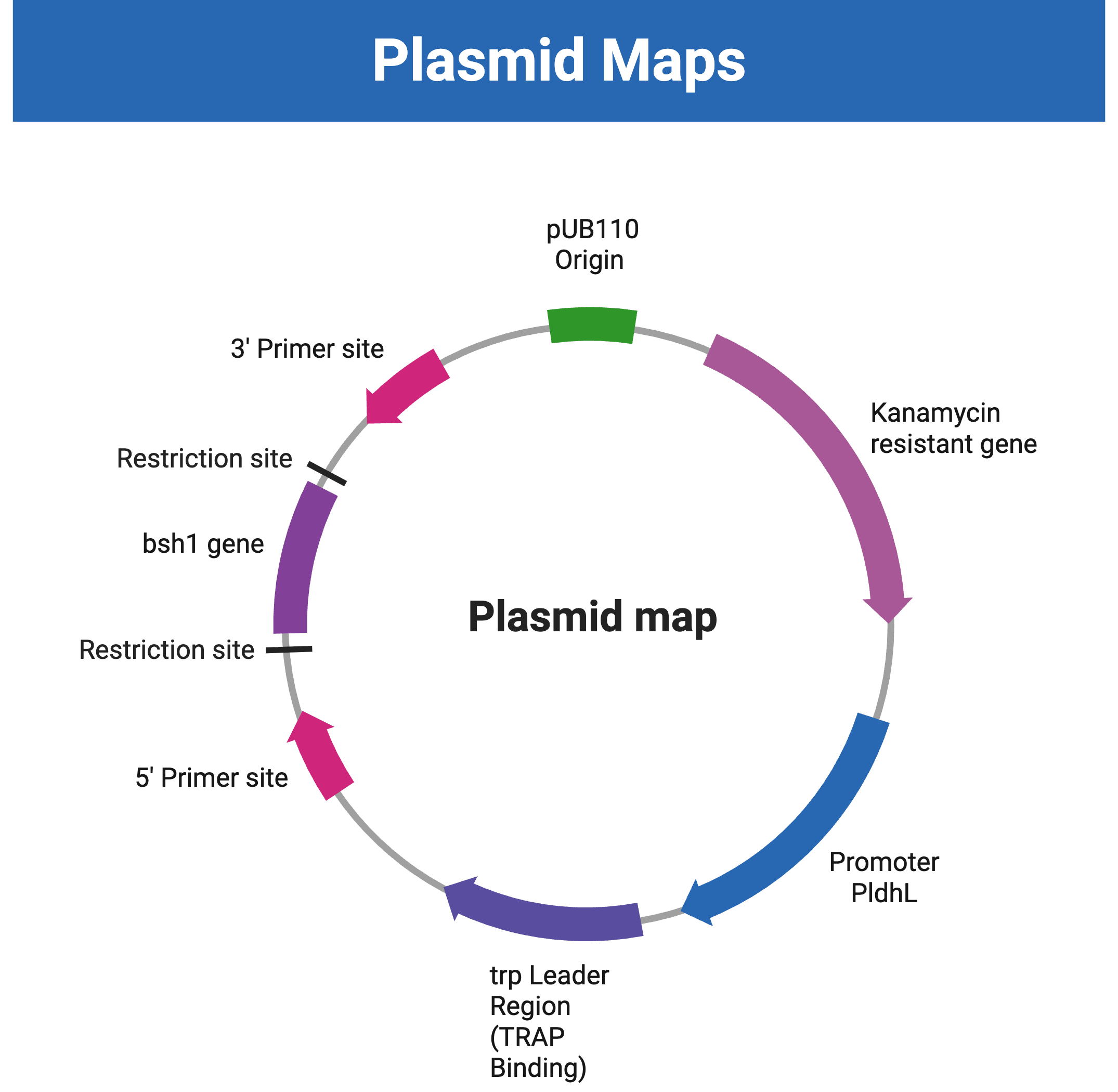 |
|---|
Constitutive expression of the TRAP protein will be achieved through the strong lactate dehydrogenase promoter (PldhL). The TRAP-regulated expression cassette is positioned downstream and consists of the promoter followed by a trp leader sequence containing multiple TRAP binding sites and intrinsic antiterminator elements that mediate transcriptional control. A canonical Shine-Dalgarno ribosome binding site (AGGAGG consensus) is upstream of the coding sequence to ensure translation initiation. The coding sequence includes the BSH1 gene from L. plantarum RK21, followed by a strong rho-independent terminator found in the B. subtilis rrnB operon (T1 terminator) to prevent read-through. In our system, increased tryptophan levels within the gut activate TRAP, which binds to the leader RNA and promotes the formation of a transcriptional terminator. The terminator represses BSH1 expression. Under low tryptophan conditions, an antiterminator structure forms to allow full transcription and expression of the enzyme, as seen in Figures 7 and 8.
| Figure 7: The synthetic line depicts the TRAP structure, which was activated through the binding of tryptophan, can inhibit the production of BSH by binding to the trp leader region. If the TRAP is not activated, the ribosome will continue to read down the line to produce BSH. | 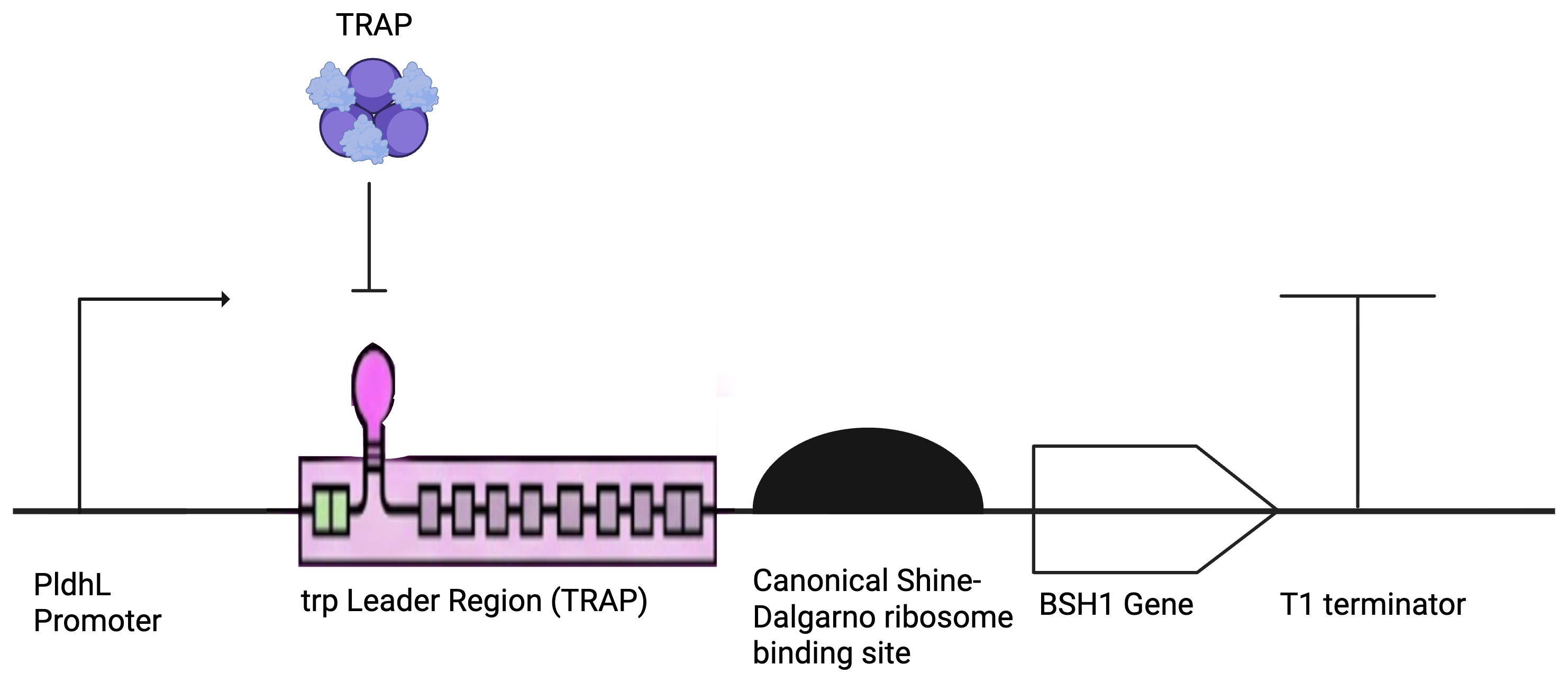 |
|---|
| Figure 8: Tryptophan levels regulate the expression of BSH1. High levels of tryptophan activate the TRAP mechanism. The TRAP binds to the trp leader region, causing transcription termination and BSH expression to be turned off. At low levels of tryptophan, the TRAP remains inactive and the RBS can read through with the antiterminator and express BSH. Then BSH can deconjugate bile acids. | 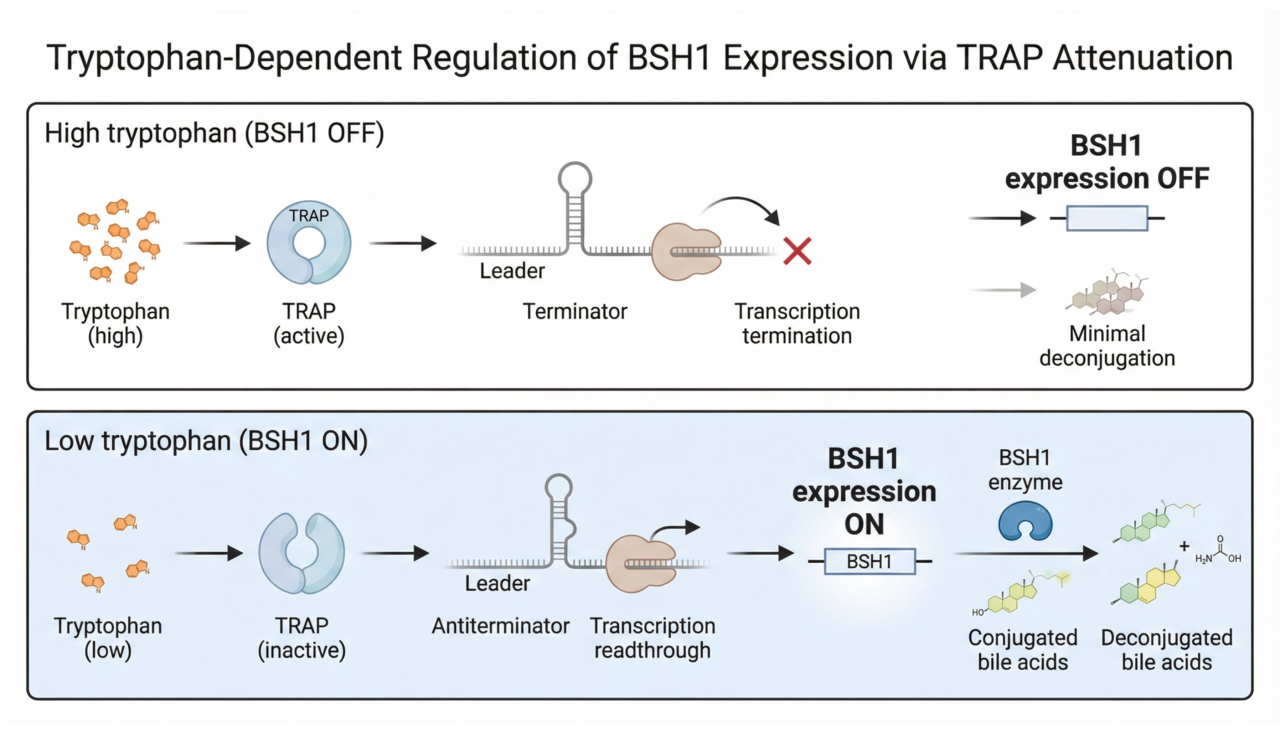 |
|---|
Safety
With the proposed use of Bacillus subtilis, the requirement of following Biosafety Level 1 (BSL-1) protocols would take place. This occurs as there is little risk to human and environmental health. Standard lab procedures would take place, as well as the use of personal protective equipment such as gloves, lab coats, and goggles. This, along with an aseptic technique, would be vital in ensuring no contamination during bacterial culture. In addition, as a food product, the final yogurt would require following regulatory standards to be safe for human consumption.
Bacillus subtilis (including BS50) is generally regarded as safe (GRAS) and is commonly used in probiotic applications, meaning minimal risk to human health under normal conditions. When consumed, it interacts primarily with the gastrointestinal system, where its BSH activity can modify bile acids, potentially influencing the gut microbiota composition and reducing inflammation, as shown in Figure 3. In addition, tryptophan-responsive regulation may connect gut metabolism to serotonin production through the gut-brain axis, which could have effects on mood and overall well-being. However, excessive or unregulated activity may have unintended impacts on the human body. Overexpression of BSH could disrupt normal bile acid balance, potentially affecting lipid digestion and nutrient absorption. Changes in bile acid composition may also influence host metabolism and the stability of the gut microbiome. Furthermore, although rare, immune responses to engineered strains are possible, particularly in individuals with weakened immune systems.
In the United States, several agencies would be in charge of making sure this engineered probiotic system is safe for consumption and does not harm the environment. The Food and Drug Administration (FDA) would assess the safety of modified Bacillus subtilis (BS50) and the bsh1 gene under Generally Recognized as Safe (GRAS) standards. The Environmental Protection Agency (EPA) may also be responsible for the project, as it is a biological product that could affect the environment. Bacillus subtilis carries a relatively low environmental risk because it is naturally found in soil and is not highly invasive.
Some important things to consider are the stability of the pUB110 plasmid, the possibility of gene transfer, especially regarding antibiotic resistance markers, and the reliability of the TRAP-dependent (kill-switch).
Since we are utilizing the pUB110 plasmid backbone, selection pressure comes from conferring a kanamycin-resistant gene to the modified bacteria, which poses two potential limitations: horizontal gene transfer and inconsistent expression within the gut. The former poses a greater health and environmental risk. Kanamycin is used to treat serious infections caused by Escherichia coli, Klebsiella, and Pseudomonas species and as a second-line drug for tuberculosis (Chang et al., 2022; Karney et al., 1973; Hotta & Kondo, 2018). Within the gut microbiome, the antibiotic resistance gene from the plasmid could transfer into the genomes of peripheral bacteria; ultimately, if the person contracted infections from said species, they will be at risk of the bacteria also possessing Kanamycin resistance. Additionally, through fecal excretion, the bacteria could enter the environment and transfer resistance to surrounding biota. Moreover, when the bacteria reproduce in the gut, they lose the selection pressure from the Kanamycin antibiotic, which may allow the plasmid to become lost. To combat these dilemmas, we propose only utilizing the plasmid modification route as a way to establish the viability and efficacy of our treatment.
Murine models are commonly used as a preclinical step to evaluate the safety and functional performance of engineered systems, such as BS50, before any consideration of human application. Mice are a well-characterized mammalian host that enables the assessment of gut colonization, immune response, and potential toxicity in a controlled in vivo environment (Zhang et al., 2021). For our project, mouse studies would be particularly useful for validating the stability and efficacy of our TRAP-based regulation, the activity of bile salt hydrolase expression, and any unintended side effects. However, despite their usefulness, mouse models carry limitations due to physiological and microbiome differences from humans. While positive results do not guarantee translational success, these results would allow us to move forward with the project before introducing further validation in higher-order preclinical studies, tightly regulated clinical trial pathways, and, ultimately, human application.
Once sufficient evidence is gathered supporting the validity of our bacteria, we can utilize CRISPR systems to create precise, marker-free chromosomal edits that eliminate the need for antibiotic resistance and repeated selection. While the plasmid-based selection is cheaper and easier for short-term murine studies, CRISPR will provide a more robust and safer long-term application (Arroyo-Olarte et al., 2021); however, further research would need to be conducted to find an appropriate inducible kill switch for when the bacteria exit the body. Current possibilities include switches that rely on oxygen levels or temperature fluctuations.
Discussions
Our engineered probiotic system has clear benefits, but also important limitations. The probiotic provides targeted, adaptive control by adjusting BSH1 expression in response to tryptophan levels, increasing anti-inflammatory activity when tryptophan levels are low. The yogurt also takes a multi-targeted approach by supporting serotonin production, reducing inflammation through bile acid modification, and improving gut health with your nutrients and anthocyanins. The use of Bacillus subtilis BS50 is another advantage, given the organism’s safety, lack of toxins, and genetic modification. However, the system may perform inconsistently because gut conditions vary between individuals, affecting tryptophan levels and bacterial activity. The TRAP system may also behave unpredictably in a complex environment. There are safety concerns with using genetically modified bacteria. Finally, this approach does not fully treat depression, since the condition involves many biological and psychological factors. That said, the probiotic should be considered supportive rather than a complete solution.
Public perception presents a significant challenge for our product. Many people are wary of ingesting genetically modified organisms (GMOs), especially when these organisms, such as Bacillus subtilis, are designed to actively regulate gene expression within the human gut microbiome. These concerns are rooted in fears of long-term safety and unintended effects on the microbiome. Additionally, broader skepticism about synthetic biology and its implications contributes to hesitation toward supporting such technologies.
To address these concerns, transparency and education are crucial in gaining trust from the public. We need to emphasize safety testing, clearly explaining containment and control mechanisms, and being realistic about benefits. Communication gaps could be a hindrance, since, without careful framing, our system might be perceived as overly complex and therefore unsafe. On the flipside, oversimplifying or making strong health claims without clear clinical backing can erode trust. By presenting our idea as a tightly regulated, responsive system modeled on natural bacterial behavior rather than a heavily engineered intervention, we are more likely to gain acceptance.
The pUB110 plasmid’s biological instability is the biggest problem with our system. That’s why the CRISPR approach will prove more beneficial. The gut environment is constantly changing, which can lead to abnormal shifts in the bacteria. Implementing a TRAP-dependent kill switch is key to ensuring full biological containment and maintaining stringent regulatory control over the engineered system. Finally, establishing the appropriate dosage and shelf life is key to ensuring that BSH production effectively reduces inflammation while avoiding gastrointestinal side effects.
Current research shows that the gut microbiome heavily influences mental health through its connection to serotonin production and inflammation. Studies show that certain gut bacteria can influence tryptophan metabolism and serotonin signaling, while gut inflammation is linked to depressive symptoms (Kaur et al., 2019). In addition, probiotics and fermented foods like yogurt are widely used to support gut health. However, most probiotics don’t reliably stay or perform in the gut, so they can’t have a consistent effect on mental health.
Our solution builds on this research but takes a more targeted, engineered approach. Instead of using probiotic strains, we propose a designed biological system that increases tryptophan availability while reducing inflammation via bile salt modification. By combining these into a single, food-based platform, our approach addresses multiple pathways involved in mood regulation simultaneously.
Next steps
First, we will validate the transformation of Bacillus subtilis BS50 with the BSH1 plasmid. This will be done using PCR and gel electrophoresis to ensure the construct is properly inserted. Once we have verified the transformation, we will assess whether the system is functioning through bile salt hydrolase (BSH) activity. This will be possible by using bile salt deconjugation assays, which will help compare the engineered to the control. Additionally, we will test the BSH expression at different tryptophan concentrations. This will ensure that the effectiveness of our TRAP-dependent system is tested, as well as that its expression is responsive to environmental conditions.
To further ensure safety and control, we will start by validating the TRAP-dependent kill switch. This will be done by measuring the bacterial growth before and after activation. In addition, we will look at bacterial viability and plasmid retention in the yogurt-based environment. This will include refrigeration trials between a 10-30 day period to help determine the shelf life. Should the bacteria fail to maintain viability, alternative chassis modifications may be explored.
To follow, we plan to advance to small-animal trials to evaluate the safety and therapeutic benefits before proceeding with human trials. Once viability and efficacy are established in small murine trials, we will use CRISPR to create the modified probiotic without the kanamycin resistance gene. At the same time, we will be improving the flavor and consumer appeal of the yogurt, potentially exploring partnerships with brands, and optimizing production efficiency. Finally, we will establish concrete, standardized protocols for fermentation, storage, shipping, and handling to ensure product consistency. Looking at the long term, we aim to gain regulatory approval and scale up production of our product, turning it into a functioning food product.
Author contributions
EH proposed the original idea for the project and conducted much of the early research. EH, MH, BR, ES, and JL contributed to writing and proofreading the entire paper. EH, JL, and MH contributed to the creation of the figures.
Acknowledgements
Thank you to Western Reserve Academy and Ms. Marmestein for providing the opportunity to participate in the BioTreks program. Additionally, we would like to thank Dr. Becky Meyer, our mentor through the BioBuilder, who helped us conceptualize the feasibility of engineering a food-grade probiotic. Finally, we acknowledge BioTreks for their support in making this study possible.
References
Akram, N., Faisal, Z., Irfan, R., Shah, Y. A., Batool, S. A., Zahid, T., Zulfiqar, A., Fatima, A., Jahan, Q., Tariq, H., Saeed, F., Ahmed, A., Asghar, A., Ateeq, H., Afzaal, M., & Khan, M. R. (2023). Exploring the serotonin‐probiotics‐gut health axis: A review of current evidence and potential mechanisms. Food Science & Nutrition, 12(2), 694-706. https://doi.org/10.1002/fsn3.3826
Appleton, J. (2018). The Gut-Brain axis: Influence of microbiota on mood and mental health. National Library of Medicine, 17(4).
Arroyo-Olarte, R. D., Bravo Rodríguez, R., & Morales-Ríos, E. (2021). Genome editing in bacteria: CRISPR-Cas and beyond. Microorganisms, 9(4), 844. https://doi.org/10.3390/microorganisms9040844
Baars, A., Oosting, A., Knol, J., Garssen, J., & Van Bergenhenegouwen, J. (2015). The gut microbiota as a therapeutic target in IBD and metabolic disease: A role for the bile acid receptors FXR and tgr5. Microorganisms, 3(4), 641-666. https://doi.org/10.3390/microorganisms3040641
Bourgin, M., Kriaa, A., Mkaouar, H., Mariaule, V., Jablaoui, A., Maguin, E., & Rhimi, M. (2021). Bile salt hydrolases: At the crossroads of microbiota and human health. Microorganisms, 9(6), 1122. https://doi.org/10.3390/microorganisms9061122
Brutscher, L. M., Borgmeier, C., & Garvey, S. M. (2020). Preclinical safety assessment of Bacillus subtilis BS50 for probiotic and food applications. National Library of Medicine, 10(5). https://doi.org/10.3390/microorganisms10051038
Campbell, C., McKenney, P. T., Konstantinovsky, D., Isaeva, O. I., Schizas, M., Verter, J., Mai, C., Jin, W.-B., Guo, C.-J., Violante, S., Ramos, R. J., Cross, J. R., Kadaveru, K., Hambor, J., & Rudensky, A. Y. (2020). Bacterial metabolism of bile acids promotes generation of peripheral regulatory T cells. Nature, 581(7809), 475-479. https://doi.org/10.1038/s41586-020-2193-0
Chang, Y., Zhang, X., Murchie, A. I. H., & Chen, D. (2022). Transcriptome profiling in response to kanamycin B reveals its wider non-antibiotic cellular function in Escherichia coli. Frontiers in Microbiology, 13. https://doi.org/10.3389/fmicb.2022.937827
Depressive disorder (depression). (n.d.). World Health Organization. Retrieved January 14, 2026, from https://www.who.int/news-room/fact-sheets/detail/depression
Errington, J., & Aart, L. T. van der. (2020, May 11). Microbe profile: Bacillus subtilis: Model organism for cellular development, and industrial workhorse. National Library of Medicine. Retrieved October 27, 2025, from https://pmc.ncbi.nlm.nih.gov/articles/PMC7376258/
Fields, T. R. (2025, December 3). Guidelines to help reduce the side effects of NSAIDs (Nonsteroidal Anti-inflammatory Drugs). HHS. Retrieved April 9, 2026, from https://www.hss.edu/health-library/conditions-and-treatments/guidelines-reduce-side-effects-nsaids#:~:text=If%20any%20of%20these%20guidelines,meal%20or%20with%20an%20antacid
Garvey, S. M., Mah, E., Blonquist, T. M., Kaden, V. N., & Spears, J. L. (2022). The probiotic Bacillus subtilis BS50 decreases gastrointestinal symptoms in healthy adults: A randomized, double-blind, placebo-controlled trial. National Library of Medicine, 14(1). https://doi.org/10.1080/19490976.2022.2122668
Gollnick, P. (1994). Regulation of the Bacillus subtilis trp operon by an rna‐binding protein. Molecular Microbiology, 11(6), 991-997. https://doi.org/10.1111/j.1365-2958.1994.tb00377.x
Hillhouse, T. M., & Porter, J. H. (2015). A brief history of the development of antidepressant drugs: From monoamines to glutamate. Experimental and Clinical Psychopharmacology, 23(1), 1-21. https://doi.org/10.1037/a0038550
Hotta, K., & Kondo, S. (2018). Kanamycin and its derivative, arbekacin: Significance and impact. The Journal of Antibiotics, 71(4), 417-424. https://doi.org/10.1038/s41429-017-0017-8
Jouni, N., Akhgarjand, C., Vahabi, Z., Shab-Bidar, S., Khalifeh, H., & Djafarian, K. (n.d.). Strain specific effects of probiotic supplementation on serum amino acid profiles in Alzheimer’s disease: a randomized, double blind, placebo controlled trial. Nature. Retrieved January 14, 2026, from https://www.nature.com/articles/s41598-025-15355-4
Joyce, S. A., Shanahan, F., Hill, C., & Gahan, C. G. (2014). Bacterial bile salt hydrolase in host metabolism: Potential for influencing gastrointestinal microbe-host crosstalk. Gut Microbes, 5(5), 669-674. https://doi.org/10.4161/19490976.2014.969986
Karney, W., Holmes, K. K., & Turck, M. (1973). Comparison of five aminocyclitol antibiotics in vitro against Enterobacteriaceae and Pseudomonas. Antimicrobial Agents and Chemotherapy, 3(3), 338-342. https://doi.org/10.1128/aac.3.3.338
Kortleven, C., Bruneau, L. C., & Trudeau, L.-E. (2012). Neurotensin inhibits glutamate-mediated synaptic inputs onto ventral tegmental area dopamine neurons through the release of the endocannabinoid 2-AG. Neuropharmacology, 63(6), 983-991. https://doi.org/10.1016/j.neuropharm.2012.07.037
Leonhardt, H. (1990). Identification of a low-copy-number mutation within the pUB110 replicon and its effect on plasmid stability in Bacillus subtilis. Gene, 94(1), 121-124. https://doi.org/10.1016/0378-1119(90)90477-9
Major Depressive Disorder. (n.d.). National Alliance of Mental Illness. Retrieved October 31, 2025, from https://www.nami.org/about-mental-illness/mental-health-conditions/depression/
Millar, C. L., Wolfe, A., Baldyga, K., Dufour, A. B., & Lipsitz, L. A. (2025). Berries and steps: A protocol of a randomized, placebo-controlled pilot study testing freeze-dried blueberry powder in sedentary older adults with mild depressive symptoms. Nutrition Journal, 24(1).
Miller, A. H. (2025). Advancing an inflammatory subtype of major depression. American Journal of Psychiatry, 182(6), 516-524. https://doi.org/10.1176/appi.ajp.20250289
Roth, W., Zadeh, K., Vekariya, R., Ge, Y., & Mohamadzadeh, M. (2021). Tryptophan metabolism and gut-brain homeostasis. International Journal of Molecular Sciences, 22(6), 2973. https://doi.org/10.3390/ijms22062973
Rush, A. J., Trivedi, M. H., Wisniewski, S. R., Nierenberg, A. A., Stewart, J. W., Warden, D., Niederehe, G., Thase, M. E., Lavori, P. W., Lebowitz, B. D., McGrath, P. J., Rosenbaum, J. F., Sackeim, H. A., Kupfer, D. J., Luther, J., & Fava, M. (2006). Acute and longer-term outcomes in depressed outpatients requiring one or several treatment steps: A star*d report. American Journal of Psychiatry, 163(11), 1905-1917. https://doi.org/10.1176/ajp.2006.163.11.1905
Sadaie, Y., Burtis, K. C., & Doi, R. H. (1980). Purification and characterization of a kanamycin nucleotidyltransferase from plasmid pUB110-carrying cells of Bacillus subtilis. Journal of Bacteriology, 141(3), 1178-1182. https://doi.org/10.1128/jb.141.3.1178-1182.1980
Scheer-Abramowitz, J., Gryczan, T., & Dubnau, D. (1981). Origin and mode of replication of plasmids pE194 and pUB110. Plasmid, 6(1), 67-77. https://doi.org/10.1016/0147-619x(81)90054-8
Serotonin syndrome. (n.d.). Mayo Clinic. Retrieved January 14, 2026, from https://www.mayoclinic.org/diseases-conditions/serotonin-syndrome/symptoms-causes/syc-20354758
Shao, J., Mu, Z., Xia, Y., Xiong, Z., Song, X., Yang, Y., Zhang, H., Ai, L., & Wang, G. (2023). bsh1 gene of Lactobacillus plantarum AR113 plays an important role in ameliorating western diet-aggravated colitis. Journal of Agricultural and Food Chemistry, 71(24), 9337-9348. https://doi.org/10.1021/acs.jafc.2c08631
Sharpe, M. E., Hauser, P. M., Sharpe, R. G., & Errington, J. (1998). Bacillus subtilis cell cycle as studied by fluorescence microscopy: Constancy of cell length at initiation of DNA replication and evidence for active nucleoid partitioning. Journal of Bacteriology, 180(3), 547-555. https://doi.org/10.1128/jb.180.3.547-555.1998
Shen, Y., Fan, N., Ma, S., Cheng, X., Yang, X., & Wang, G. (2025). Gut microbiota dysbiosis: Pathogenesis, diseases, prevention, and therapy. MedComm, 6(5). https://doi.org/10.1002/mco2.70168
Siesser, W. B., Sachs, B. D., Ramsey, A. J., Sotnikova, T. D., Beaulieu, J.-M., Zhang, X., Caron, M. G., & Gainetdinov, R. R. (2012). Chronic SSRI treatment exacerbates serotonin deficiency in humanized Tph2 mutant mice. ACS Chemical Neuroscience, 4(1), 84-88. https://doi.org/10.1021/cn300127h
Sorgdrager, F. J. H., Naudé, P. J. W., Kema, I. P., Nollen, E. A., & Deyn, P. P. De. (2019). Tryptophan metabolism in inflammaging: From biomarker to therapeutic target. Frontiers in Immunology, 10. https://doi.org/10.3389/fimmu.2019.02565
Sumi, K., Tagawa, R., Yamazaki, K., Nakayama, K., Ichimura, T., Sanbongi, C., & Nakazato, K. (2023). Nutritional value of yogurt as a protein source: Digestibility/Absorbability and effects on skeletal muscle. Nutrients, 15(20), 4366. https://doi.org/10.3390/nu15204366
Vinolo, M. A., Rodrigues, H. G., Nachbar, R. T., & Curi, R. (2011). Regulation of inflammation by short chain fatty acids. Nutrients, 3(10), 858-876. https://doi.org/10.3390/nu3100858
What is clinical depression (major depressive disorder)? (n.d.). Cleveland Clinic. https://my.clevelandclinic.org/health/diseases/24481-clinical-depression-major-depressive-disorder
Xingya, Z., Xiaoping, F., Jie, Z., Jun, Y., Hongchen, Z., Wenqin, B., & Hui, S. (2024). BsuMI regulates DNA transformation in Bacillus subtilis besides the defense system and the constructed strain with bsumi-absence is applicable as a universal transformation platform for wild-type bacilli. Microbial Cell Factories, 23(1). https://doi.org/10.1186/s12934-024-02493-z
Yang, J., Ran, M., Li, H., Lin, Y., Ma, K., Yang, Y., Fu, X., & Yang, S. (2022). New insight into neurological degeneration: Inflammatory cytokines and blood–brain barrier. Frontiers in Molecular Neuroscience, 15. https://doi.org/10.3389/fnmol.2022.1013933
Yano, J. M., Yu, K., Donaldson, G. P., Shastri, G. G., Ann, P., Ma, L., Nagler, C. R., Ismagilov, R. F., Mazmanian, S. K., & Hsiao, E. Y. (2015). Indigenous bacteria from the gut microbiota regulate host serotonin biosynthesis. National Library of Medicine, 161(2). https://doi.org/10.1016/j.cell.2015.02.047
Zhang, C., Franklin, C. L., & Ericsson, A. C. (2021). Consideration of gut microbiome in murine models of diseases. Microorganisms, 9(5), 1062. https://doi.org/10.3390/microorganisms9051062
Zhang, R., Peng, X., Song, X., Long, J., Wang, C., Zhang, C., Huang, R., & Lee, T. M. C.
(2022). The prevalence and risk of developing major depression among individuals with
subthreshold depression in the general population. Psychological Medicine, 53(8),
3611-3620. https://doi.org/10.1017/s0033291722000241